


Mandya Women clinch second position in MGNREGA performance rankings
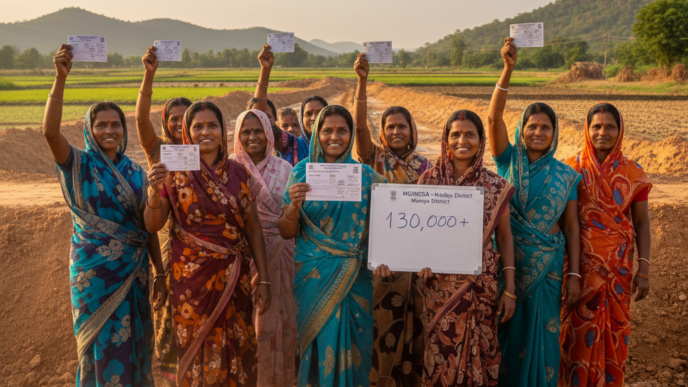
In a landmark achievement for gender equity in rural employment, the women of Mandya district have secured the second position in the latest MGNREGA performance rankings released by the Ministry of Rural Development. The rankings evaluate districts based on work completion rate, asset creation, and crucially, women’s participation, with Mandya showing a substantial improvement over the previous year. According to the official data, women contributed to over forty‑five percent of the total workdays generated under MGNREGA in the district, surpassing the national average and demonstrating a strong shift toward inclusive rural development.
Key performance indicators and tangible results
The district’s ascent to the second spot is anchored on several decisive metrics. The work completion rate stood at a robust ninety‑two percent, reflecting efficient planning and timely execution. Asset creation exceeded one thousand two hundred rural infrastructure projects, ranging from rural roads and irrigation channels to water‑harvesting structures that have enhanced local livelihoods. Perhaps most striking is the thirty‑percent increase in women‑led job cards, a clear indicator of expanded outreach and enrollment. These achievements are highlighted in the official Ministry press release, which you can read in detail on the MGNREGA portal.
- Work completion rate: 92% – well above the national average.
- Asset creation: Over 1,200 rural infrastructure projects completed.
- Women‑led job cards: 30% increase compared to the previous year.
Government response and policy implications
Officials from the Ministry praised Mandya’s proactive outreach and the pivotal role of local panchayats in facilitating greater female enrollment. District Collector Ramesh Kumar described the success as a “model for other regions,” emphasising that inclusive planning has enabled women to take centre stage in rural development. He announced that the administration will continue to expand skill‑training programmes linked to MGNREGA projects, ensuring that wages translate into sustainable livelihoods. The Karnataka government’s rural development page notes that this model aligns with the state’s broader agenda of empowering women through public works. 
Community impact and on‑the‑ground changes
Local NGOs have documented a measurable rise in women’s self‑esteem and financial independence. Many beneficiaries are now using MGNREGA wages to start small enterprises, such as dairy units, handicrafts, and micro‑agri ventures. This shift not only improves household income but also contributes to a more diversified rural economy. Interviews with women labourers revealed that flexible work schedules, awareness campaigns, and childcare facilities at worksites were instrumental in encouraging greater participation. The MGNREGA Wikipedia entry provides context on how such programmes have historically aimed to enhance rural employment, especially for marginalized groups.
Broader implications for gender‑responsive policy
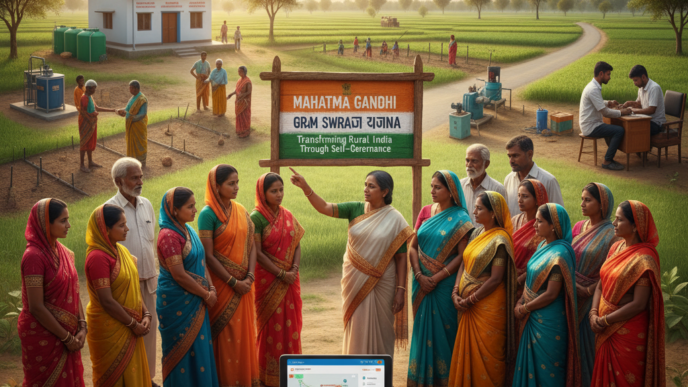
State Rural Development Minister Dr. Lakshmi Rao highlighted the broader societal benefits, stating, “When women earn and lead projects, entire villages benefit.” Her comments underscore the importance of gender‑responsive policies within the MGNREGA framework. Experts attribute the upward trend to targeted awareness campaigns, flexible work schedules, and the provision of childcare facilities at worksites. Moreover, the integration of digital monitoring tools has increased transparency, allowing women labourers to track wage payments in real time via mobile applications. This technological edge has reduced delays and corruption, fostering greater trust among participants.
Future ambitions and scaling up women‑led initiatives
Looking ahead, Mandya aims to claim the top spot by increasing the proportion of women beneficiaries to fifty percent. To achieve this, the district plans to expand women‑centric infrastructure projects, such as additional water‑harvesting structures and renewable‑energy installations that will create more job opportunities. The next phase of the MGNREGA programme will also focus on scaling up women‑led micro‑enterprises supported by the wages earned through public works. Training modules covering digital literacy, entrepreneurship, and agricultural best practices are being rolled out to empower female participants further. These efforts are expected to not only improve livelihoods but also to foster a culture of self‑reliance among rural women.
Recognition and media coverage
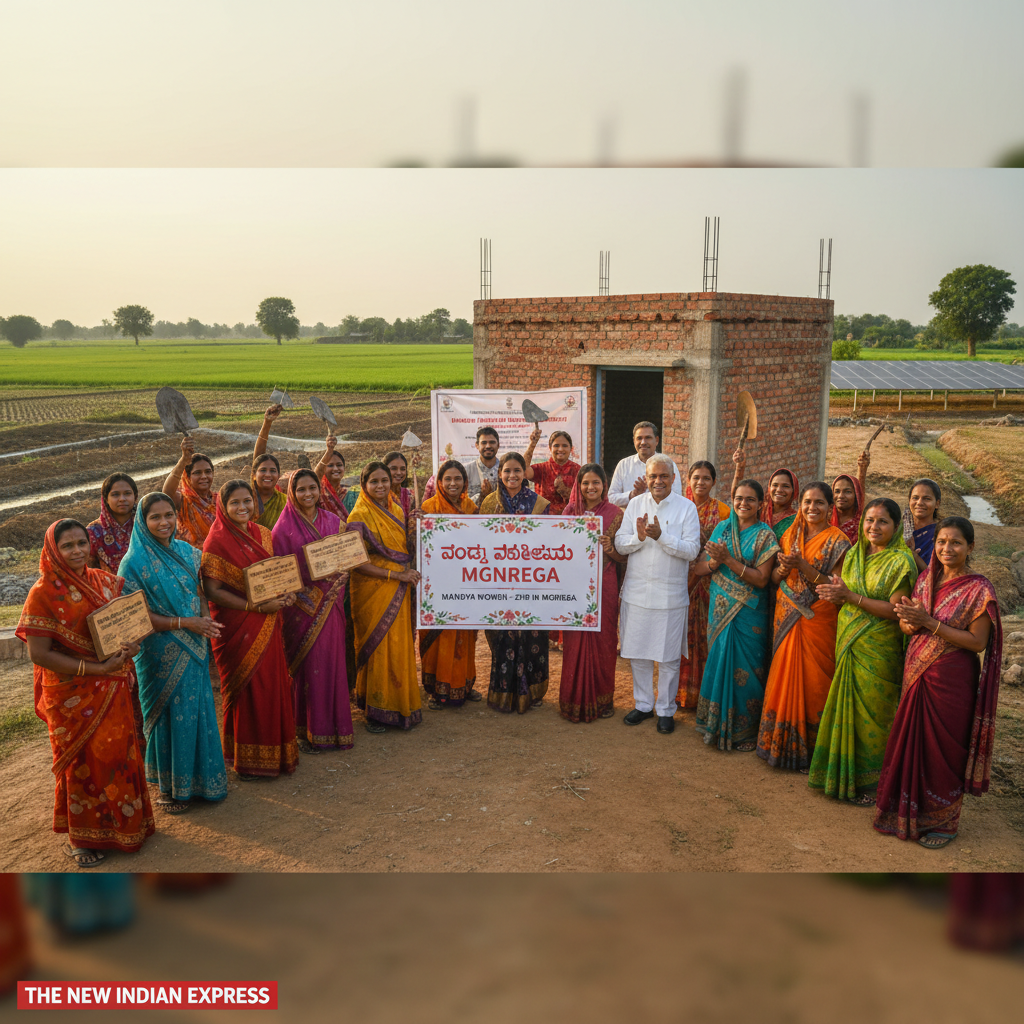
The district’s success story has featured in several national media outlets, including The New Indian Express, sparking interest among neighbouring districts eager to replicate the model. A modest ceremony at the district headquarters celebrated the achievement, where women labourers displayed the assets they helped create—ranging from rural roads to irrigation channels. Officials indicated that the upcoming phase will prioritise the development of women‑led micro‑enterprises, supported by targeted training and access to markets. This holistic approach aims to transform MGNREGA from a wage‑employment scheme into a catalyst for sustainable economic empowerment.
Stay updated with the latest Yojana schemes and government initiatives for better awareness and eligibility. For personalized guidance on accessing these benefits, reach out to us.